Growing a Student Movement,
The Development of Chi Alpha Campus Ministries,1940-2020
At the beginning of the 21st century, Chi Alpha Campus Ministries USA is a major national student movement communicating the love of Jesus Christ and the good news of the gospel to thousands of students each year who matriculate through college. Chi Alpha students actively take part in campus ministry both stateside and abroad. Fifteen hundred campus missionary staff and volunteers serve 20,000 students on 300 campuses nationwide. Sister campus ministries are active in seventy-five nations.
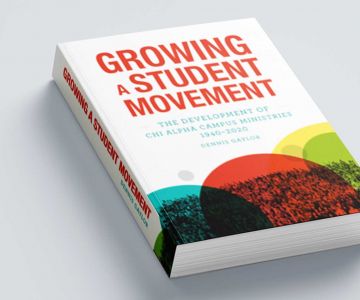
Dennis Gaylor writes Growing a Student Movement, The Development of Chi Alpha Campus Ministries, 1940–2020 after having served as the national director of Chi Alpha Campus Ministries USA from 1979 to 2013. This 674-page comprehensive overview illustrates the profound influence of Chi Alpha in the church and world today.
Chi Alpha is rooted in the Assemblies of God (AG) denomination, a church formed at the beginning of the 20th century as part of the modern Pentecostal movement. They derived the name Chi Alpha from the two Greek letters, XA, and the biblical passage, 2 Corinthians 5:19-20, identifying “Christ Ambassadors” or “Christ sent ones.” The AG created a national Youth Department in 1947 and soon explored ways to minister to AG youth attending state colleges and universities, particularly as thousands of men and women entered college after returning from WWII. Chi Alpha was first organized at Southwest Missouri State (now Missouri State University) in 1953.
A stateside chronological history of Chi Alpha is brought to life through the decades in eight chapters. The book records 800 photographs, 50 charts, and 100 quotes to help tell the story of people and events in Chi Alpha’s growth. A single watershed moment changed the trajectory of Chi Alpha in 1986 with the organizational move from the national Youth Department to AG US Missions. For the first time, Chi Alpha personnel are missionaries, and mission strategies and methods apply to advance the ministry on campuses. AG World Missions also began appointing world missionaries to start university ministries in other nations.
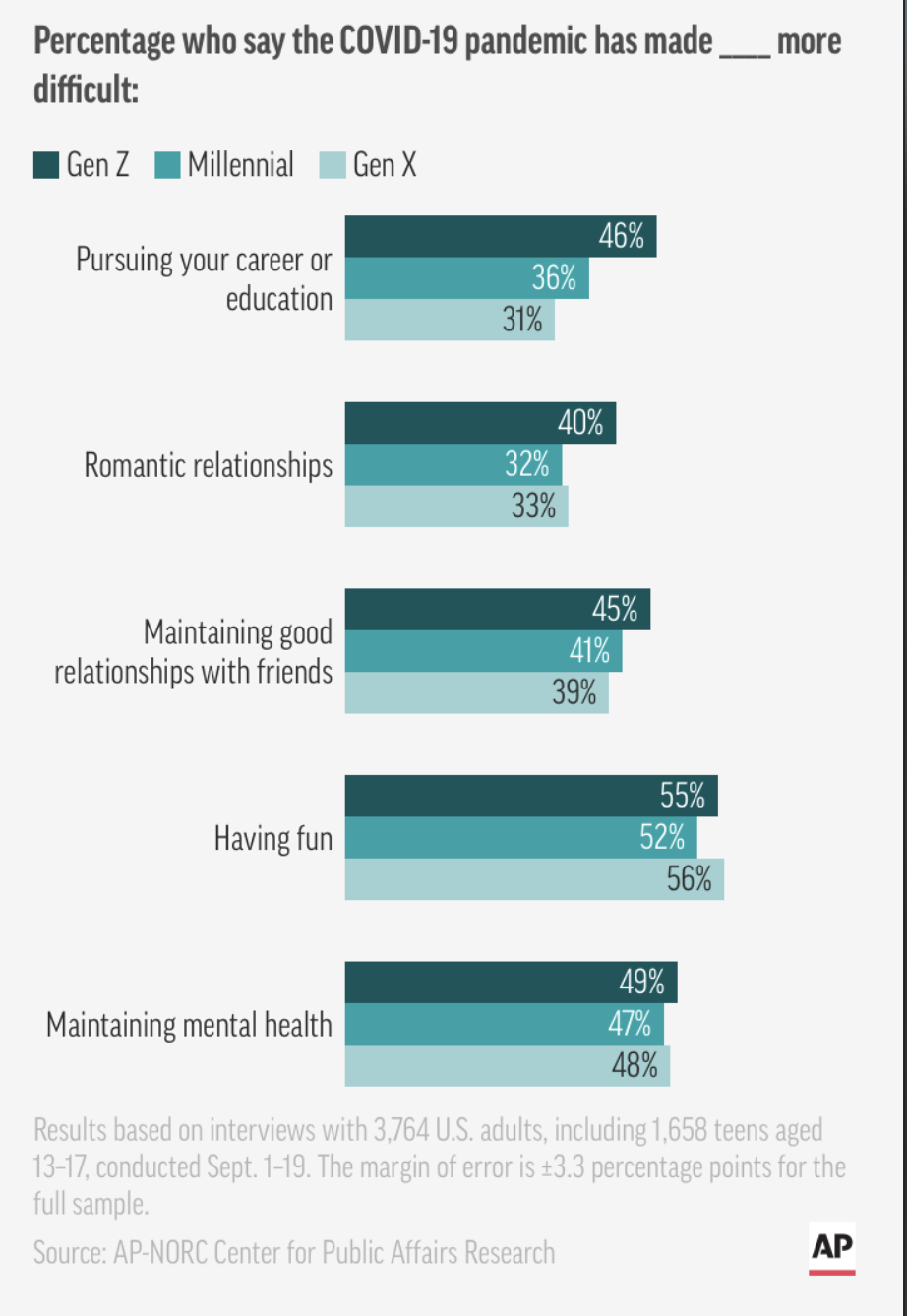
Three chapters cover the vast influence of Chi Alpha in world missions, international student ministry, and a parallel history of university ministry outside the US. The final chapters focus on change, new leadership, and spiritual awakening. The epilogue observes the impact on college students and campuses in the year 2020 during an unprecedented global pandemic, racial justice issues, and the presidential election.
In Growing a Student Movement, the reader can know the history, experience the present, and catch a vision for the future.